

For the Critical Mineral Supply Chain
Fair Trade Starts at Exploration
A social licence to operate is earned long before the first tonne is mined. Exploration as a Service puts the host nation in control from the very first survey – so the minerals that reach your supply chain carry consent, not controversy.
Social Licence to Operate
Consent Is Earned Early – or Not at All
Critical minerals are the building blocks of the clean-energy transition, future technology and defence. But a mineral is only as acceptable as the way it was found and won. On the seabed, that acceptance is contested: governments are divided, scientists are calling for caution, and many brands have pledged not to source seabed minerals until the risks are understood.
Most exploration is paid for and controlled by the companies that hope to mine, leaving the host nation negotiating over its own resources with less information than the contractor across the table. M-Cubed is an independent exploration company with no stake in mining. We explore as a service to coastal developing countries, who keep 100% of the data and the decision. That is where a social licence starts.
Mine Better, Mine Less
Deep-Sea Mining Should Be the Exception
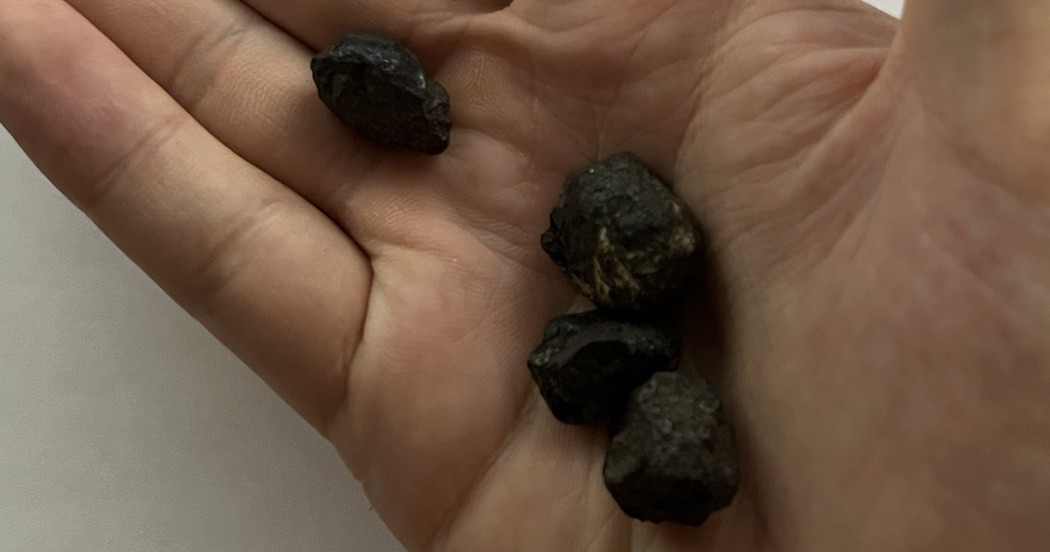
Dedicated exploration identifies reserves and models high-grade deposits, so that any marine mining is minimised in extent and impact. Knowing exactly where the exceptional deposits lie is how the supply chain gets the metal it needs without treating the ocean floor as a frontier.
Fair Trade for Mining
What Fair Looks Like at the Seabed
Sovereign Consent
The host nation commissions the exploration, owns every result and decides what happens next – develop, conserve, or neither.
Fair Value
Knowing what lies in its waters lets a nation negotiate from strength, not from an information gap – the seabed’s version of a fair price.
Transparent Provenance
A documented baseline and data collected to JORC and NI 43-101 standards: a traceable record of where a deposit came from and how it was assessed.
A Smaller Footprint
We explore for exceptional, high-grade deposits only. If mining happens at all, fewer sites are disturbed – and most of the seabed is never touched.
Decision Point
The sovereign decides whether to develop, conserve or leverage its deposits – we never take a stake.
Less Fuzzy Logic
A Regulated Reporting Framework
Minerals share one regulated reporting framework: deposits are reported under international standards – JORC, NI 43-101, S-K 1300 – with an accountable Competent or Qualified Person behind every estimate. We collect data so it is ready for that sign-off from the first sample.
How We Work With Blue Finance →How We Work
Discover, Document, Determine
A desktop review maps known and inferred deposits; non-invasive surveys and minimally invasive sampling document them; the sovereign receives all data and decides what happens next.
See the Full Process →SDG Alignment
Built Into the Goals Responsible Sourcing Serves
The Next Step
We’d value a conversation about the minerals your supply chain depends on, the responsible-sourcing standards you work to, and how sovereign-led exploration could support your social licence to operate.

Michael Saunders, Founder
Geoscientist (MScR Geochemistry, Edinburgh; MSc Geological Oceanography, Bangor). Twelve years of research on marine minerals, from deep-sea mining’s potential to its environmental impact. Read the research history →