

Exploration as a Service
Exploration Without Exploitation
We find out what lies on your seabed – then the decision is yours. M-Cubed has no stake in mining, so the data and the choice of what happens next stay with you – and you own every sample we collect.
Discover Starts Here
Open Access Prediction Models
Global models predict where polymetallic nodules and ferromanganese crusts are likely to occur, and young ocean crust marks where seafloor massive sulphides may form. Search for your country to see the predictions across your exclusive economic zone and continental shelf claims.
A prediction shows where to look, not proof of a deposit. Models narrow down where conditions favour mineral formation: the next step looks deeper.
Prediction Models
Dutkiewicz, Judge & Müller (2020), Environmental predictors of deep-sea polymetallic nodule occurrence in the global ocean, Geology 48(3).
Josso et al. (2023), Application of random-forest machine learning algorithm for mineral predictive mapping of Fe-Mn crusts in the World Ocean, Ore Geology Reviews 162.
Proxy
Seafloor Massive SulphidesOcean crust under 5 million years oldMüller et al. (2019), A global plate model including lithospheric deformation along major rifts and orogens since the Triassic, Tectonics.
Map features
- Mid-Ocean RidgesSpreading centres where plates pull apart and new seafloor forms. They host hydrothermal venting.
- Back-Arc Spreading CentresSpreading behind subduction zones, as in the Mariana Trough and Lau Basin. They also host hydrothermal venting.
- Other Plate BoundariesTransform faults, subduction zones and convergent margins, shown at sea.
- Exclusive Economic ZonesThe 200-nautical-mile zones of the developing coastal states in our study.
- Extended Shelf: UnilateralOne state’s claim beyond 200 nm, submitted to, recommended by or deposited with the UN.
- Extended Shelf: JointAreas two or more states have claimed together.
- Extended Shelf: DisputedWhere claims overlap. Hover to see the claimants.
Sources
Map projection: Equal Earth, centred on 40°E, which shows every area at its true relative size and keeps the Pacific island states in one piece.
Sources: Polymetallic nodule probability – Dutkiewicz, Judge & Müller (2020), Geology, doi:10.1130/G46836.1. Ferromanganese crust probability – Josso & Hall, British Geological Survey, Random Forest model output prediction raster for the occurrence of Fe-Mn in the World Oceans, doi:10.5285/4c8419b9-5ee4-4db4-b279-18d3ec75c3c4 (Josso et al., 2023, Ore Geology Reviews); contains data supplied by permission of the Natural Environment Research Council, used under the Open Government Licence v3. Bathymetry – GEBCO Bathymetric Compilation Group 2026 (2026), The GEBCO_2026 Grid, doi:10.5285/4f68d5c7-45eb-f999-e063-7086abc036fa. Seafloor age – Müller et al. (2019), Tectonics. Plate boundaries and spreading centres – Bird (2003), Geochemistry, Geophysics, Geosystems, PB2002 (Open Data Commons Attribution Licence). Maritime boundaries – Flanders Marine Institute, Maritime Boundaries Geodatabase: Maritime Boundaries and Exclusive Economic Zones (200NM), version 12 (2023), marineregions.org (CC BY 4.0). Land – Natural Earth.
Not for navigation. GEBCO, IHO and IOC do not endorse this application.
The Next Step
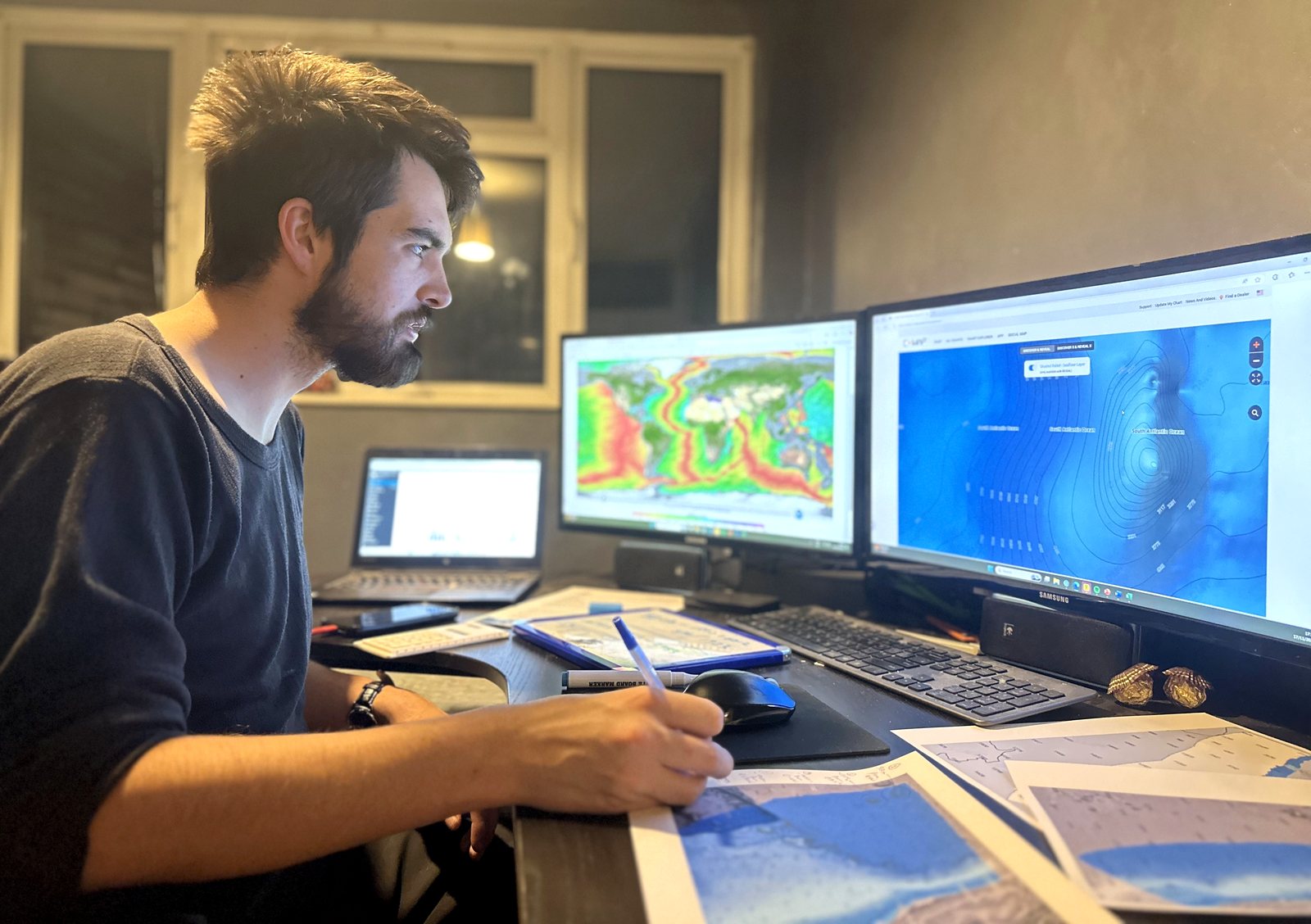
A Desktop Study of Your Waters
Our literature review establishes what is actually known – what has been measured, sampled and mapped in your waters – and, crucially, where the gaps in knowledge are. Discover the impact of a literature review here.
Why Exploration Only
Breaking the Link Between Exploration and Exploitation
Seabed exploration is usually carried out by the companies that hope to mine. That leaves the coastal state negotiating over its own resources with less information than the contractor across the table.
We separate the two. You commission independent exploration as a service; we report everything we find, and you keep 100% of the data, the mineral rights and the decision – whether that is to develop, to conserve, or to leverage untouched deposits through blue finance.
Then
Planning a Survey
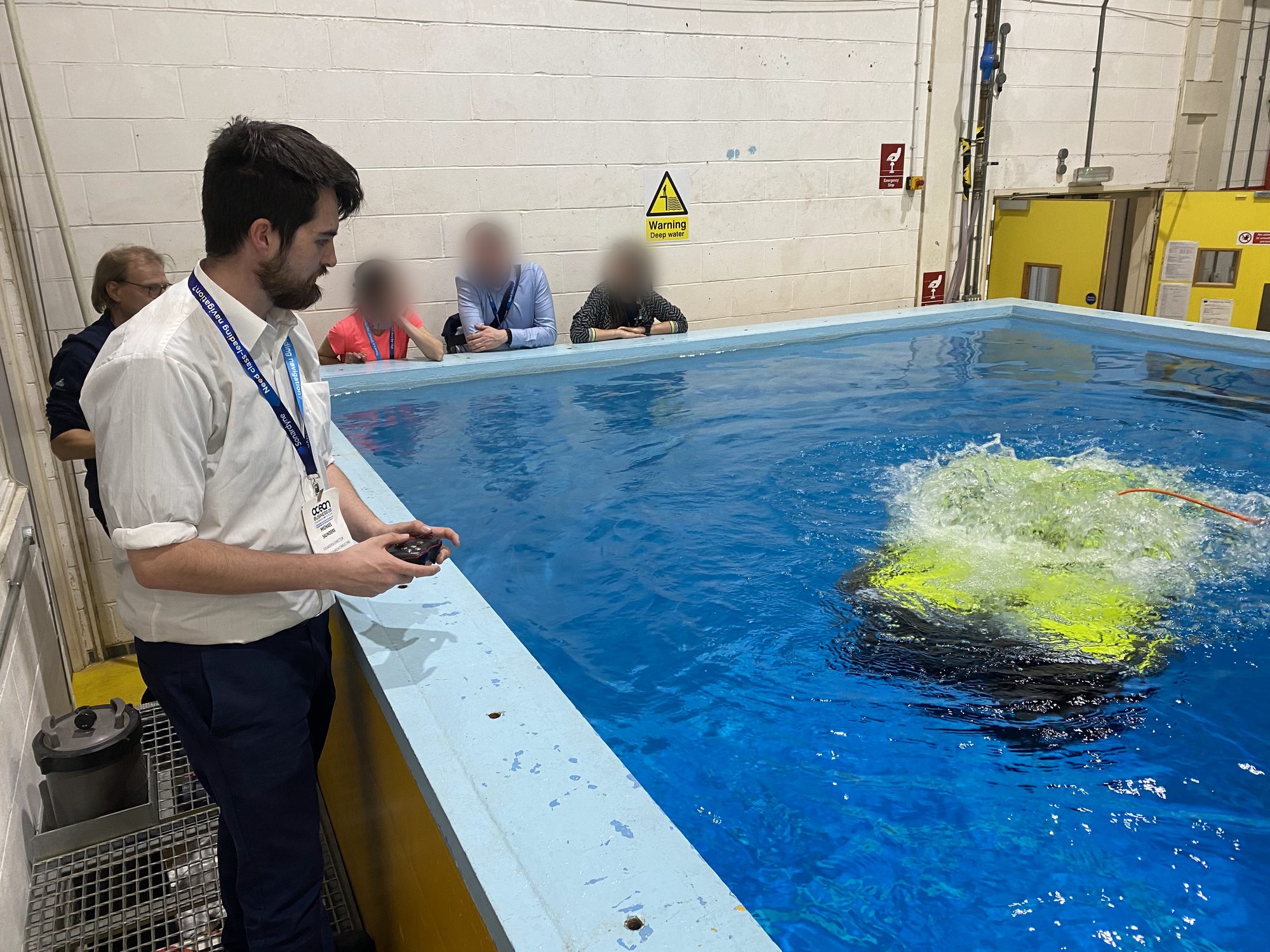
Where the desktop study finds gaps worth filling, we plan the fieldwork – identifying the local, academic and technical partners, and the vessels and equipment, the survey needs.
How an Engagement Works
Discover, Document, Determine
Discover
A desktop review. The literature and existing data establish what is known – what has been measured – and predictive models, like the map above, show where to look next.
- Identify permissive environments for critical-mineral deposits
- Map known and inferred deposits across your EEZ and continental shelf claims
- Show where further work is worthwhile – and where it is not
Document
Where data gaps remain, fieldwork with academic partners.
- Non-invasive surveys to estimate deposit scale, and a preliminary report
- Where deposits occur at scale, a minimally invasive sampling survey
- Laboratory analysis of critical-element concentrations, such as ICP-OES
- A final report
Determine
You receive the final report and all data, and you own every sample: we test them in accredited laboratories and return what remains, with a reference set kept wherever you choose. Nothing is retained by M-Cubed without your written agreement. Under UNCLOS the decision is yours.
- Develop, conserve, or leverage untouched deposits through blue finance
- Support for conservation and marine protected area proposals
- Genuinely world-class deposits highlighted, so any mining is the exception
Sample and Analyse
From Seabed to the Lab
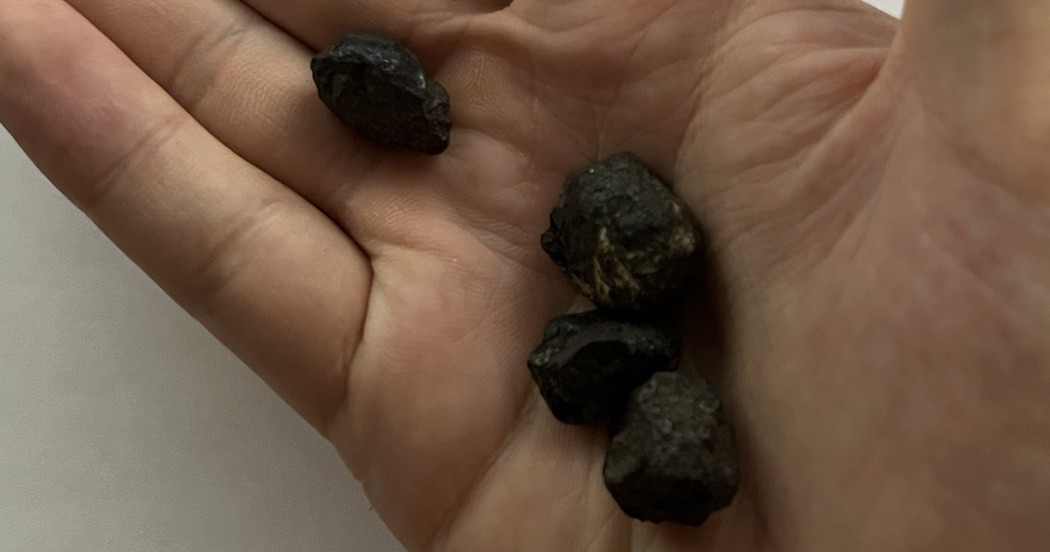
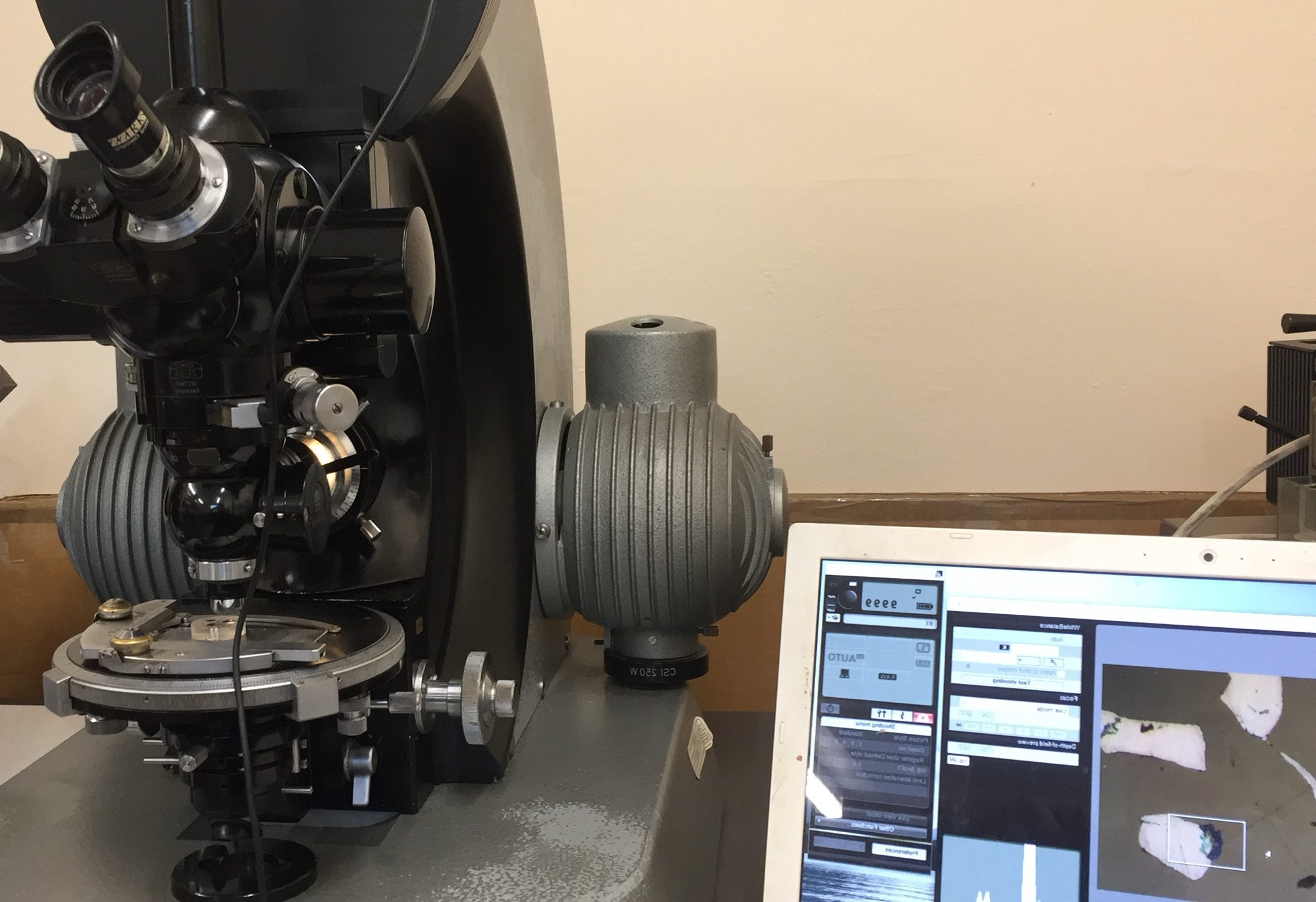
Where deposits occur at scale, we take minimally invasive samples and analyse their critical-element concentrations in accredited laboratories – every result is yours, and what remains of the samples comes back to you.
Mine Better, Mine Less
Know Where the Exceptional Deposits Are
Most of the seabed should never be mined. Knowing exactly where the exceptional deposits lie means fewer sites disturbed and better-informed decisions – so that if deep-sea mining happens at all, it is the exception, not the rule.
Every engagement is scoped to the country and its waters. Get in touch for a proposal.