
Twelve years ago, I started with a simple thought: “How can we mine the deep sea?” Today, my question is: “How do we empower nations to choose if they should?”
Over the last decade, I have studied marine minerals with a single, evolving purpose: to minimize the impact of extraction. My philosophy has always been—if we can mine better, we mine less.
But as I’ve matured, so has my perspective. You’ll see a clear trend in these works—from a “pro-mining” teenager to a more considered, pragmatic founder. (I’ll admit, I was a strange kid, obsessed with minerals and seafloor volcanoes while others were focused on… well, normal things.)
It feels right to finally share the “tour” of my research that led to my current startup. These are being shared exactly as they were submitted—no peer review, no edits, just the original thinking (including the occasional misinterpretation) from:
- 2015: Extended Project Qualification (Bridgwater College)
- 2018: Bachelors Dissertation (Bangor University)
- 2022: Masters Thesis (University of Edinburgh)
I’m putting these out there because “Exploration as a Service” didn’t happen overnight. It was built on a decade of asking the wrong questions until I found the right ones.
Deep Sea Mining: A Potential Source of Renewable Resources? (2015)
The Environmental Impacts of Marine Mining (2018)
An Observational Review of Submarine Hydrothermal System Geochemistry and an Evaluation of Vented Products as an Unconventional Mineral Resource (2022)
What I have realized through this journey is that we cannot have an equitable ocean without independent data. Whether a nation chooses conservation or responsible development, that choice must be theirs, powered by their own information.
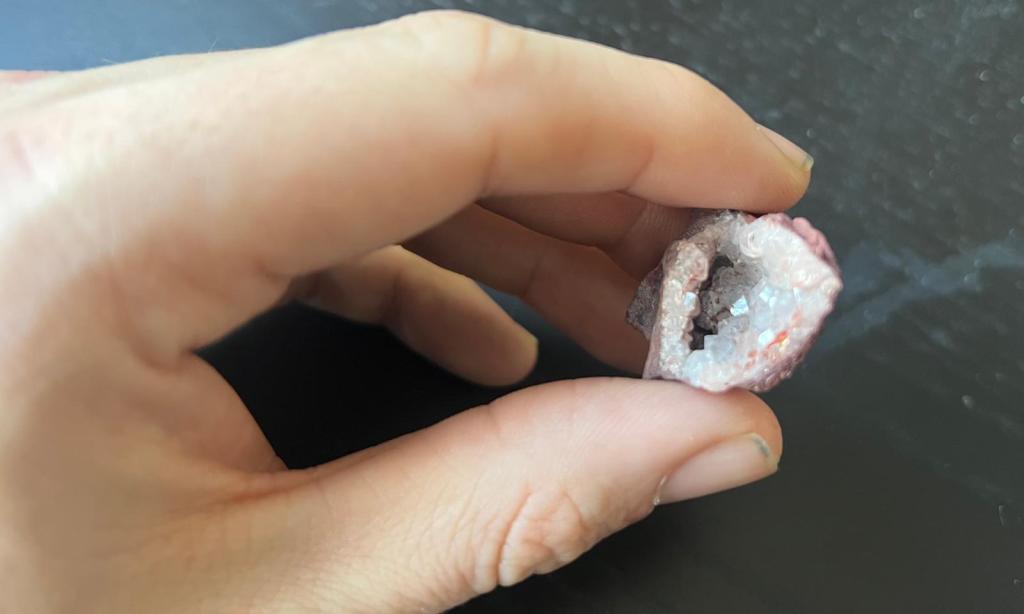
So where are we now? My joy comes from exploration – chasing the “awe of ore” I felt as a six year old, when my granddad and I broke open my first geode together.
However, it’s exploration done differently –
We are exploring for reserves, rather than resources – we are exploring as a service to developing countries, to ensure they hold 100% equity and sovereignty.
Furthermore, we are exploring how we can incentivise developing countries to conserve their reserves – transforming unrealized minerals into ‘active’ natural capital, even when it remains in the ground – because doing so limits the extent and impact of extraction.
That’s mining less, by mining better. That’s why we champion exploration!
 M-Cubed Research Consulting