
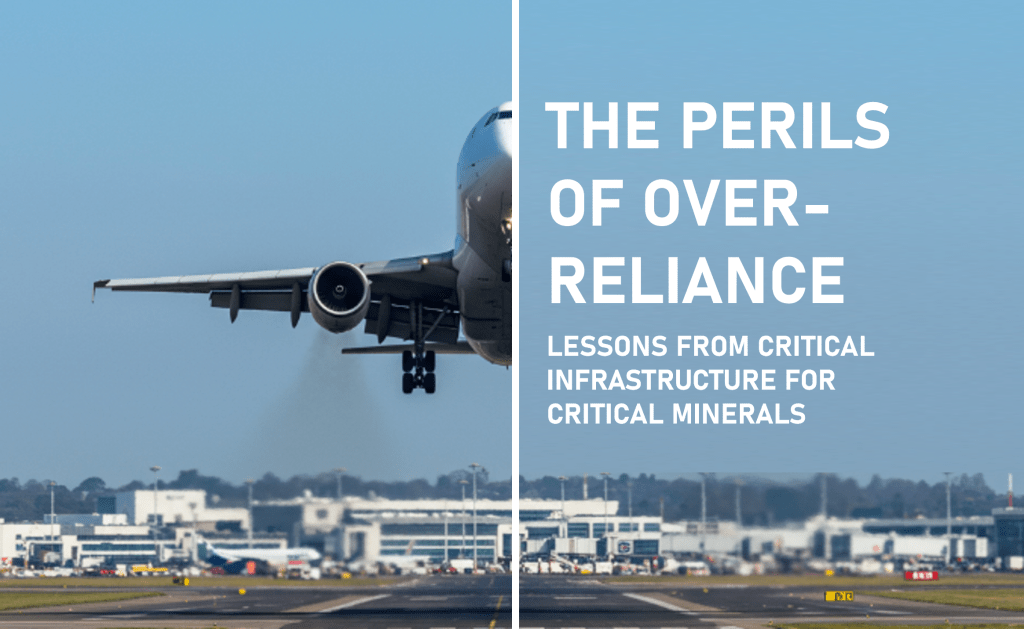
On March 21st, 2025, the fifth largest airport in the world came to a standstill. This is both a powerful analogy for critical minerals, and a story which hit very close to home.
Moments before 23:30 on March 20th, I heard a loud muffled bang.
My flat in Hayes, West London was immediately thrown into darkness. I turned to the window, and realised the whole town was lit only by emergency stair lighting in the high rises, and fairy lights on balconies.
There are four cranes, the other side of the Grand Union Canal. No beacons lit atop them, but they were glowing amber.
As I put the side of my head to the glass, and I saw the biggest fire I have ever seen – over the rooftops of my neighbours. A plume of acrid smoke painted the sky like black ink. Something was very wrong.
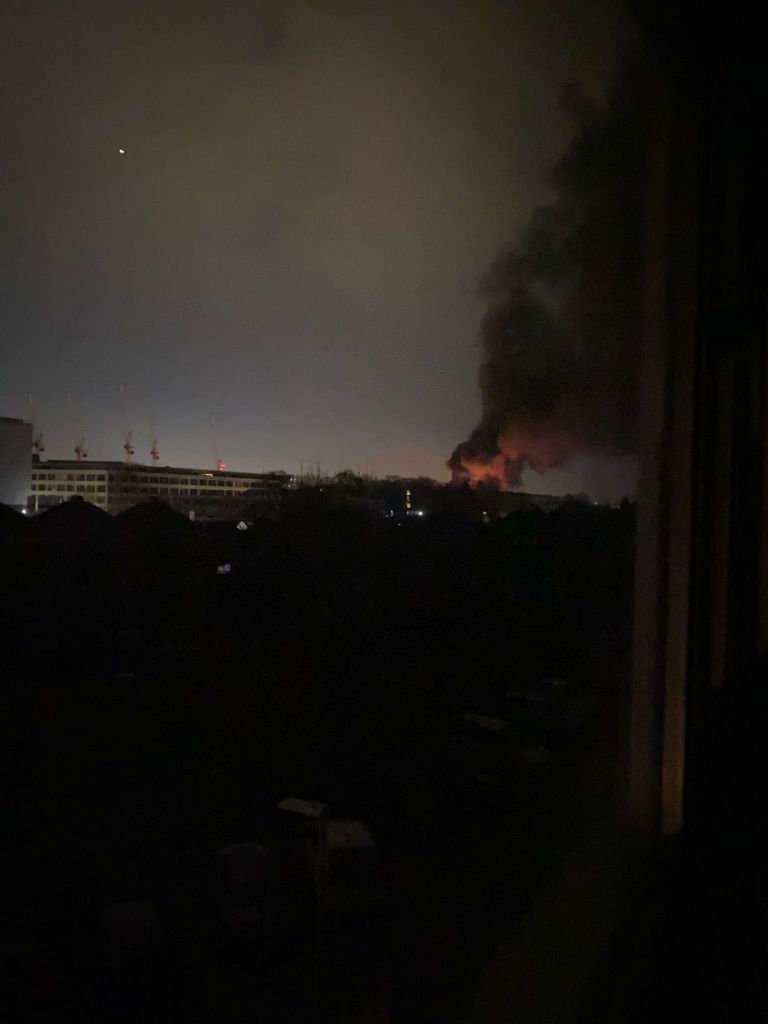
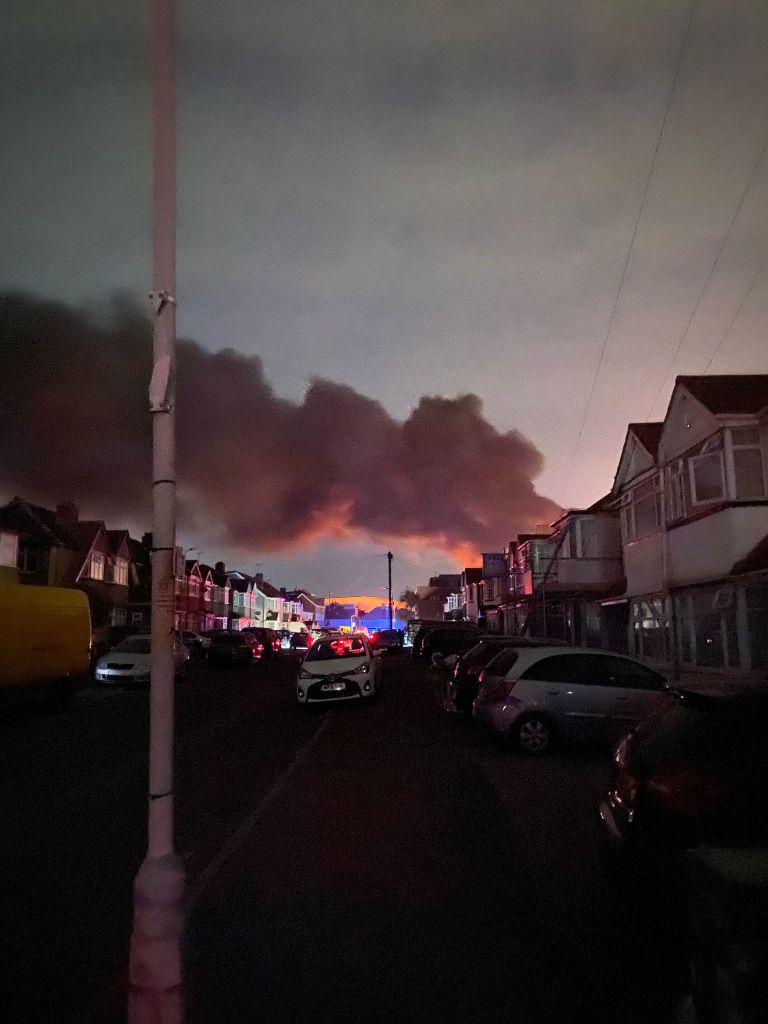
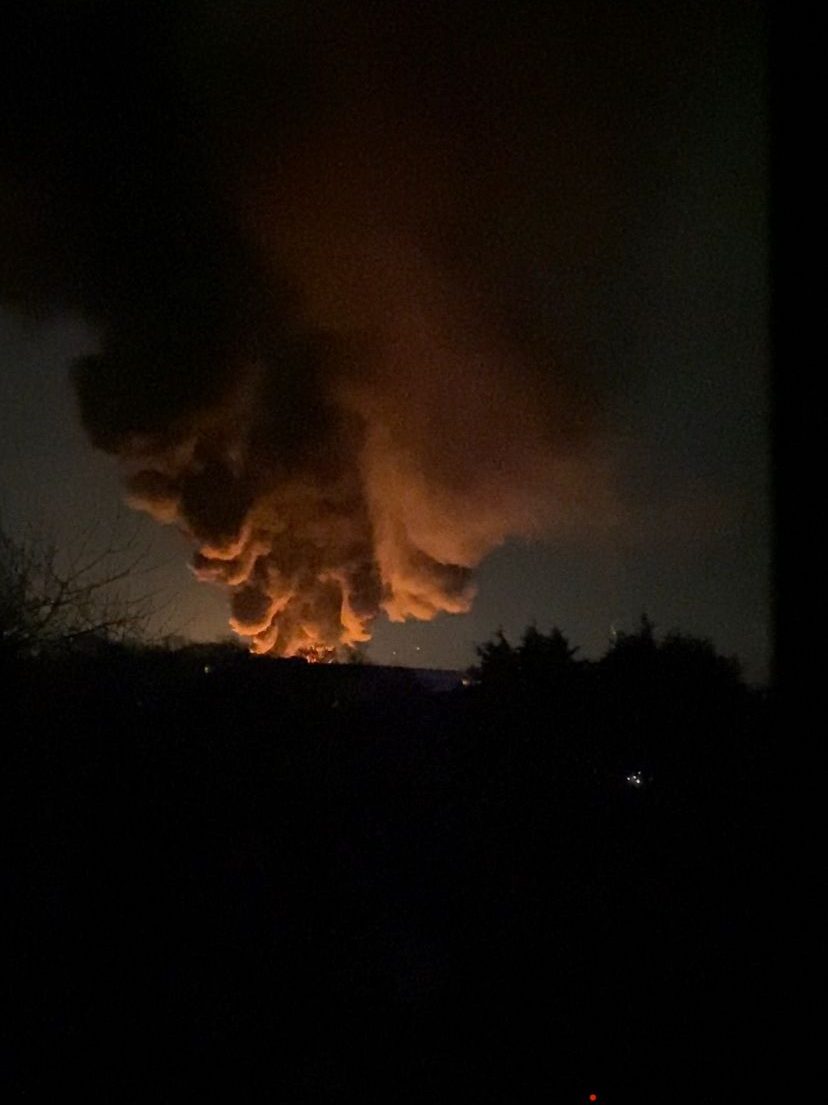
The scale began to become clear
Upon seeing the flames, I tried to call the fire services – I could not get through. Soon, phone signal became an issue. I told my family I was okay, as my home is just 600 metres away from the substation – I told them to check the news.
Then I got word from a friend in Hounslow. Blackout. I reached out to a guy in West Drayton, flickering lights. This was big.
No streetlights, no traffic lights. Only sirens and car alarms. I probably got to sleep at 02:00am, by which time this had been declared a major incident by the fire service.
But what I hadn’t realised, was the substation at the end of my road – was one of just three which powered Heathrow Airport.
It was sixteen long hours. Over 290,000 passengers distrupted. Not to mention delayed cargo, business, and damage to the economy. This may end up costing millions, if not tens of millions.
The Heathrow shutdown highlights vunerabilities in critical infrastructure. While it is unprecedented, it all comes down to a single point of failure.
Single points of failure are not always obvious. Although they are far more common than you think.
Like Critical Infrastructure, we have Critical Resources – a prime example today is Cobalt. Lets Draw the parallels:
Let’s first consider the resource: Electricity for Heathrow; Cobalt for battery production.
What is the effective single point of failure? An offsite substation for Heathrow (and 67,000 homes); the Democratic Republic of Congo’s 70% dominance in global Cobalt exports.
Okay then, what is the proverbial fire? Well, a four month cobalt export ban has increased prices by over 80% – in just one month.
Let’s up the stakes.
China is the world leading processor of Rare Earth Oxides – a huge 85% dominance – for elements critical to magnets, superconductors and batteries.
We are betting our entire transition to net zero on systems as vunerable as Heathrow’s substation. Often, single points of failure are only realised once they fail.
The question being asked of Heathrow, is why there were not ‘redundancies’ in place to mitigate this catastrophic failure. Should Heathrow have had a more diversified supply of electricity?
Heathrow, The National Grid, and a Government Inquiry will all ask these questions – but there are questions just the same for diversifying supply of critical minerals. Unfortunately, there is a balance to be found between our tolerance for environmental impact, and the security of our supply chains.
It is a global issue, thrust into prominence by our race to net zero and shifting world order.
Days ago, the world was far less aware of how crucial built-in resilience is – and questions will be raised about potential single points of failure.
 M-Cubed Research Consulting